
In today’s diverse and connected world, building inclusive communities where everyone feels seen, valued, and treated with dignity is important. In Singapore, this vision is being brought to life through the Forward Singapore initiative, launched in June 2022. It invites all of us—young and old, to come together to shape the kind of society we want to grow up and grow old into. It’s a reminder of how we can care for one another, offer support, relate to one another and strengthen the values of inclusiveness and mutual responsibility that hold our society together.
The recent reports of bullying among children and youth on social media and in the news are deeply concerning. If you are a parent, you may be worried or wondering how we can best protect our children and teens. A recent survey by CNA’s Talking Point suggests that 30 percent of secondary school students have experienced bullying. As parents, we have a pivotal role in shaping the next generation into kind, open-hearted individuals who make a difference in the world around them. But where do we begin?
The truth is, inclusiveness doesn’t require grand gestures; it begins with the way we speak, the way we listen, and the way we respond to the everyday moments around us. By modelling respectful, empathetic, and open behaviour, parents can teach their children the importance of inclusiveness. This foundational lesson begins at home and extends to school, as well as the broader community, helping to build a more inclusive society for all. Here’s how parents can model inclusive behaviour in different settings:
At Home
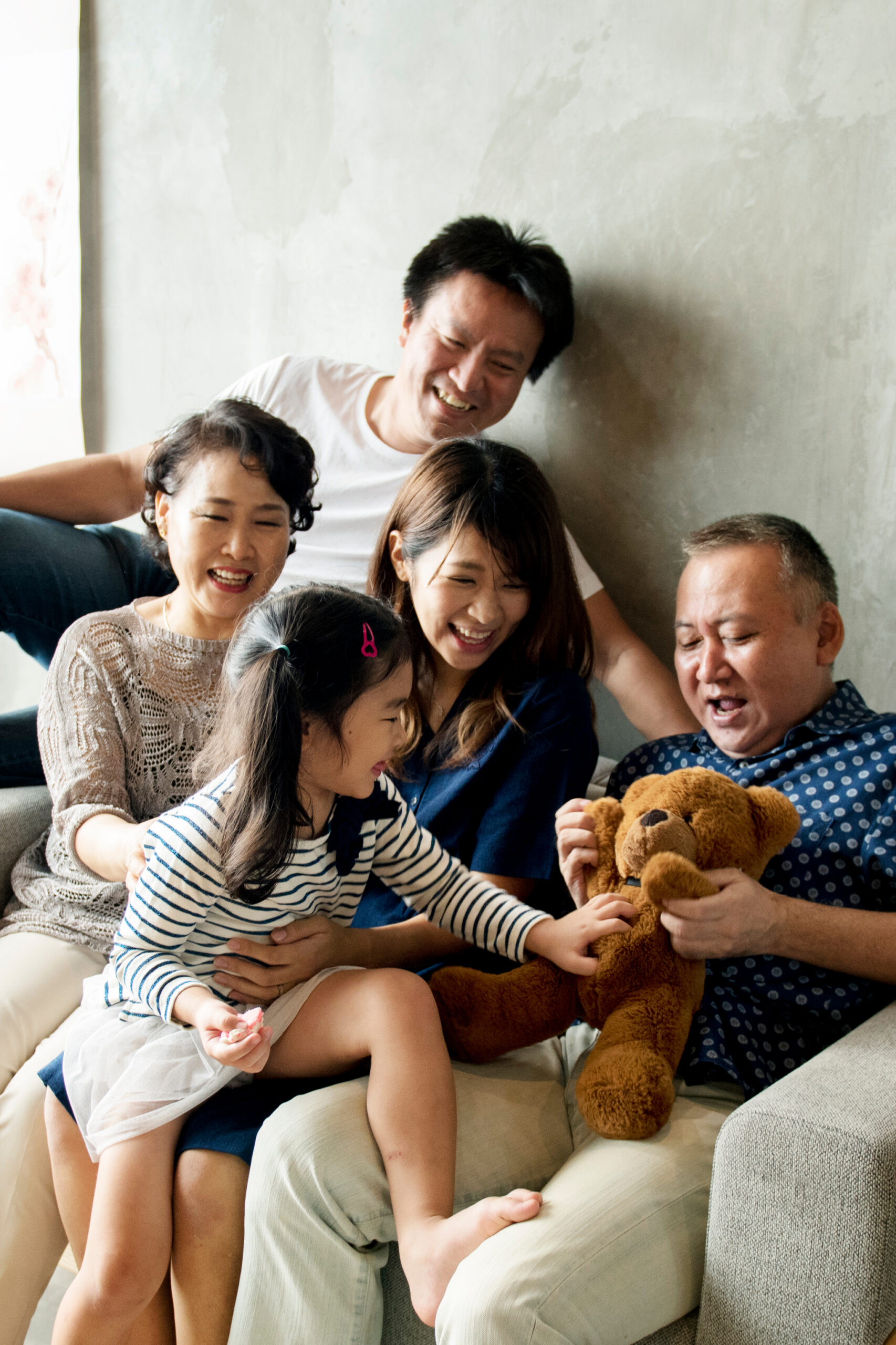
Home is a child’s first community, where they learn what it means to belong. It should be a safe and loving space where every voice is heard and every person feels valued, regardless of age or ability. This fosters a deeper sense of belonging, trust and safety which boosts their motivation and brings greater meaning to their lives. One way parents can nurture this is by involving everyone in the family, young or elderly in decision-making, from choosing weekend activities to planning meals. Encouraging siblings to support one another and celebrate each other’s milestones and differences also helps build a more inclusive and supportive family environment.
In School
As parents, we can gently guide children to understand and appreciate these differences with kindness, respect, and an open heart. Whether it’s a classmate who learns differently, a friend from a single-parent home, or someone from another country, children often look to us for guidance on how to respond.
How to talk to our children about differences?
1.Be open and present: Encourage your child to ask questions. If they’re curious about why a friend learns differently or speaks another language, answer honestly and kindly.
2. Use stories as bridges: Books and movies are great tools. Choose ones that show characters from different backgrounds, abilities, and family types.
3. Ask thoughtful and empathetic questions:
“How do you think that person might have felt?”
“What would it be like if you were in their shoes?”
“What do you think we can learn from this story?”
Nurturing Kindness in School
1. Gently guide your child to include others in games and group work.
2. Remind them that everyone has strengths, even if they learn differently.
3. Help them understand that small acts of kindness and respect make school a warmer, happier place for everyone.
In our Neighbourhood!
Inclusiveness begins with the quiet, everyday moments. One thing I’ve always admired about my husband is how he gently shows our kids what respect looks like—greeting neighbours with a smile in the lift, waving to the estate cleaners, and thanking them sincerely for their work. These small gestures may seem ordinary, but they’ve taught our children that everyone deserves to be seen and appreciated.
One of the cherished family traditions (learn more about family traditions- Nurturing Connection and Building Positive Relationships Through Setting Family Traditions and Goals | Fei Yue Community Services (Family Central) my family shares during National Day is blessing our neighbours with small gifts. Over time, this simple gesture has grown into a joyful block party at the void deck. Last year, some neighbours, including elderly residents and their helpers brought homemade dishes to share. My family led nostalgic games like flag eraser flipping and zero point, ending the evening with a heartfelt singalong of National Day songs as we celebrated together as one kampong. It’s a beautiful way to build connection and community, right where we live.
Raising inclusive children goes beyond simply teaching values—it’s about living them. When we, as parents, model respect, empathy, and openness, children naturally follow. We have the power to shape the future by raising inclusive children. Encourage your children to appreciate adversity, support peers and stand up against bullying. Get involved in community activities, volunteer together, and create traditions that foster a sense of belonging and inclusiveness.
As we celebrate our Nation’s 60th Birthday this month, let’s build communities where everyone is seen, valued, and treated with dignity. Check out opportunities to Play Your Part or sign up to volunteer together as a family at FFL | Volunteers to build our Singapore together!
To find out more about our free parent support services, register your interest at https://go.fycs.org/PSS, or email us at [email protected] or call 88694006.
Written by: Sherry Ling, Counsellor, Fei Yue Community Services
References
1. Forward Singapore Press Release
2. American Psychological Association. (2016, March 9). Talking to kids about discrimination. https://www.apa.org/topics/racism-bias-discrimination/kids
3. Nalkur, P., EdD. (2024, May 23). Practical tips for building inclusivity in kids. Psychology Today. https://www.psychologytoday.com/sg/blog/transforming-the-status-quo/202405/how-to-raise-inclusive-kids
4. https://www.sg60.gov.sg/play-your-part/
5. https://familiesforlife.sg/pages/volunteers