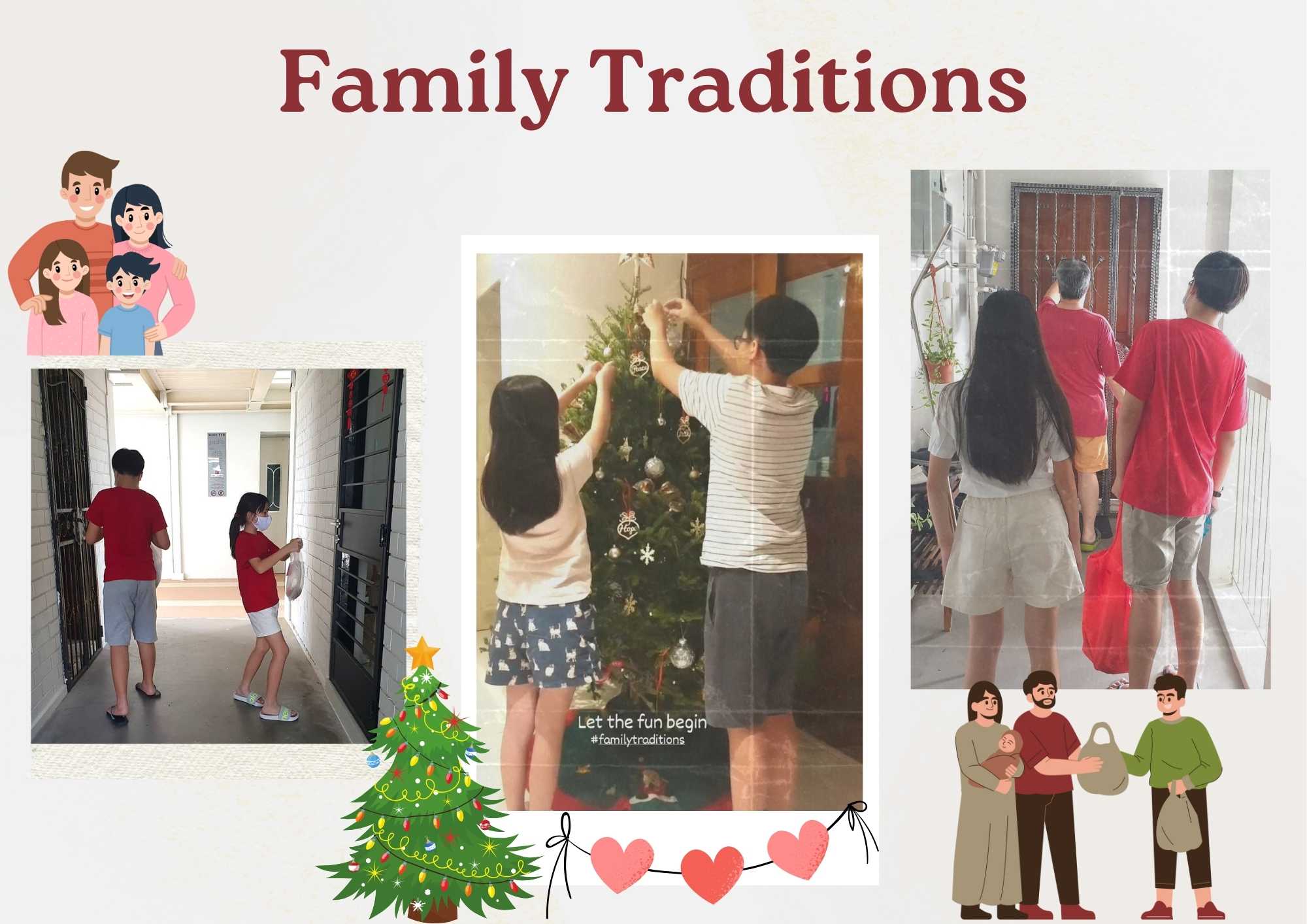

The month of December is the time of year that my family of four comes together to decorate our live Christmas tree. As the fresh pine scent fills the air of our home, we all have a role to play. There are conversations, exchanges of ideas about decorations, laughter, and a sense of accomplishment fills our heart at the end of the day when we sit back and enjoy our completed project. This yearly family tradition, which began more than a decade ago, has been like a thread weaving us together, bonding us and creating shared memories. It provides a sense of unity and purpose, with the common goal of getting our house ready for the festive season.
According to a 50-year research review published by the American Psychology Association, Fiese et al. (2002) found that meaningful family routines and traditions contribute positively to marital satisfaction, adolescents’ sense of personal identity, children’s health, academic achievement, and stronger relationships.
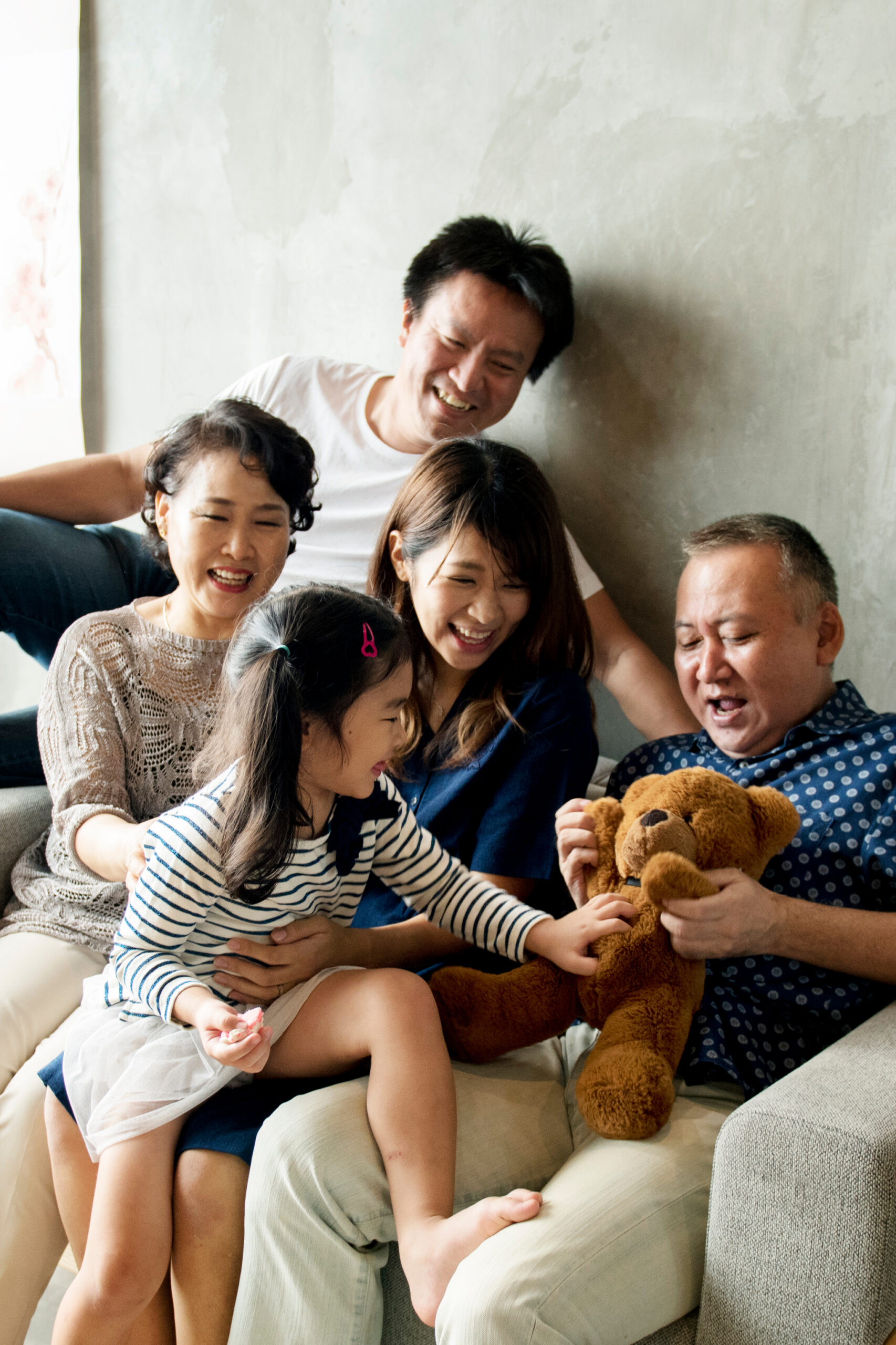
Family traditions can foster a strong sense of identity and belonging. They create positive memories and emotions that families can cherish. Moreover, these traditions bridge generations, passing down family values, history, and cultural heritage.
Another of our family traditions involves everyone packing gifts and going door to door in our block to bless our neighbours during National Day, doing quick catch-ups and fostering the value of the “kampung” spirit. This helps us to bond as a family while instilling the values of community, generosity, and care in our children. This is one tradition that I hope will be passed on to the generations to come.
So, how can families start their very own family traditions? The Institute for Family Studies (Family Traditions Help Kids Make Sense of Life | Institute for Family Studies) provides some helpful pointers to kickstart the process:
-
Daily traditions Simple daily habits with meaning. For example, saying hello or goodbye in a special way or having dedicated bedtime conversation on thanksgiving or gratefulness.
-
Weekly traditions – Weekly activities that dedicate undivided time. For example, Saturday morning walks and breakfast, or special home-cooked dinners on Sundays.
-
Occasional traditions – Traditions for specific occasions or seasons. For example, religious or cultural activities or regular travelling trips.