
How much is too much?
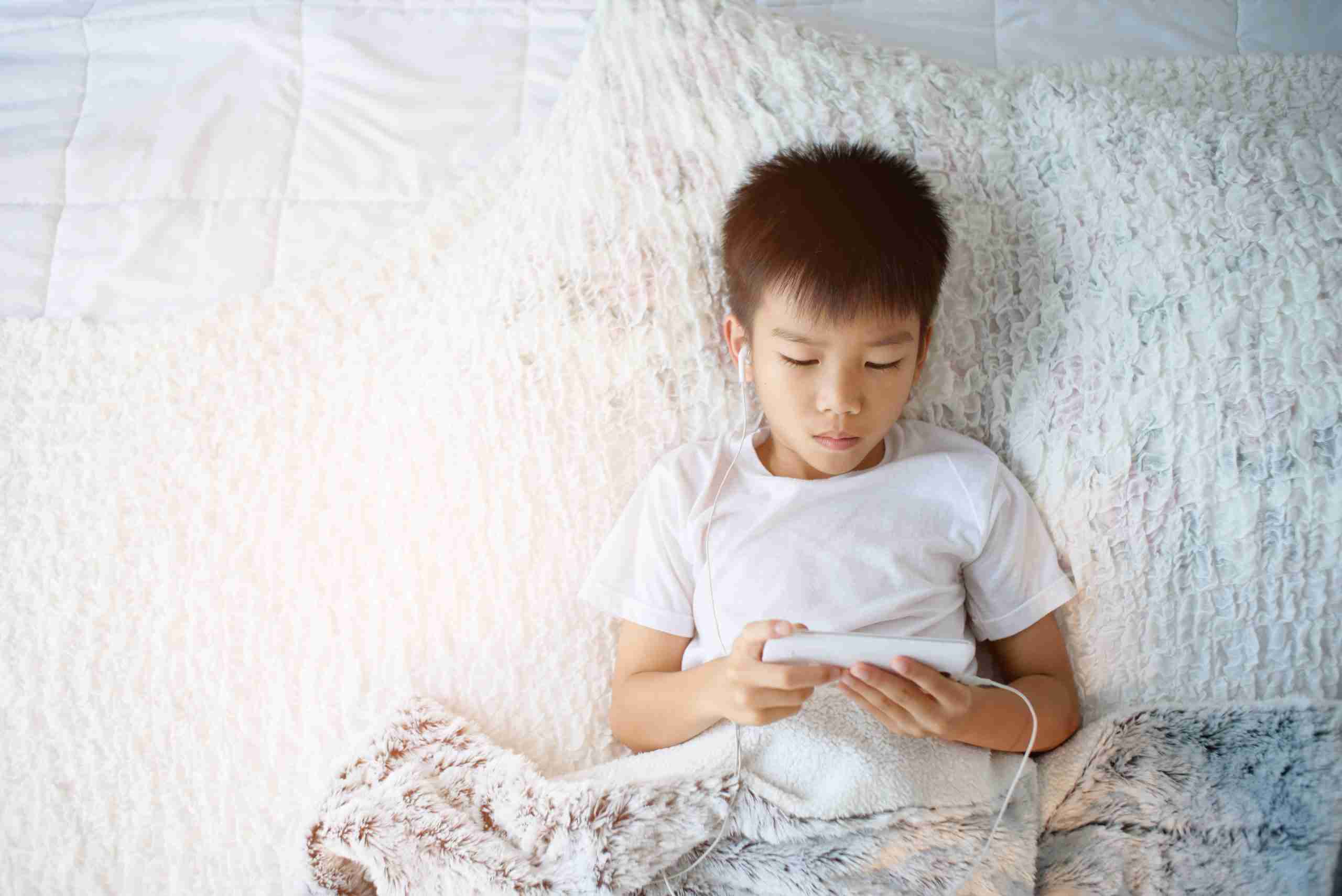
Many parents can’t help but worry when their children are perpetually fixated on their screens, whether to watch the latest YouTube videos or play their favourite games. In recent months, home-based learning introduced in light of the COVID-19 pandemic has also increased time spent by your children looking into screens.
It can be a worrisome trend – how much screen time is too much? How can parents ensure that screen time does not negatively impact other aspects of children’s lives?
Considering the pros and cons of screen time, it is neither appropriate to remove screen time entirely, nor to allow children free reign over the time they spend on devices. The American Academy of Pediatrics (AAP) and the World Health Organisation (WHO) recommend the following durations based on a child’s age:
-
Toddlers should have little to no screen time;
-
Preschoolers (3-5 years) should have less than 1 hour of screen time a day;
-
6 to 10-year-olds should only have up to 1.5 hours of screen time a day;
-
Children aged 11 and above should limit their screen time to 2 hours a day.
However, going by the results of a local survey conducted in 2018, the average Singaporean child spends way more time on their screens than the recommended duration. On average, 8 to 12-year-olds in Singapore spend an average of 35 hours of screen time on entertainment – that’s close to the amount of time they typically spend in school.
Here are some suggestions for managing your children’s screen time at home:
-
Create a schedule for your child.
Have a discussion with your child about screen time and explain why it is necessary to limit it. Work together to create an agreeable schedule for your child and yourself. Ensure that important tasks such as homework are completed before screen time and allocate time to other activities.
-
Dividing and restricting access to screen time
Engage your child in physical activity and encourage them to take frequent breaks from the screen. Divide screen time into half-hour blocks rather than a single two -hour block, for instance. Remind your children to refrain from eating during screen time.
Restrict access to screen-based devices 30 minutes to an hour before bedtime and ensure that your child gets enough sleep.
-
Toddlers (1-2 years) should have 11 to 14 hours of sleep each night;
-
Preschoolers (3-5 years) should have 10 to 13 hours of sleep;
-
School-aged children (6-13 years) should have 9 to 11 hours of sleep;
-
Teens (14-17 years) should have 8 to 10 hours of sleep;
-
Managing cyber-risks
Teach your children how to use the internet safely and responsibly. Talk to them about what they do online and who they interact with, and be open and willing to explore the shows they watch and games they play. Help your child develop media literacy so they can understand and question media messages. It is best to discuss limits and rules with your child as excessive restriction can have drawbacks, such as erosion of trust, lying about viewing habits, and aversion to discussions on unpleasant online experiences.
-
Be a role model for your child.