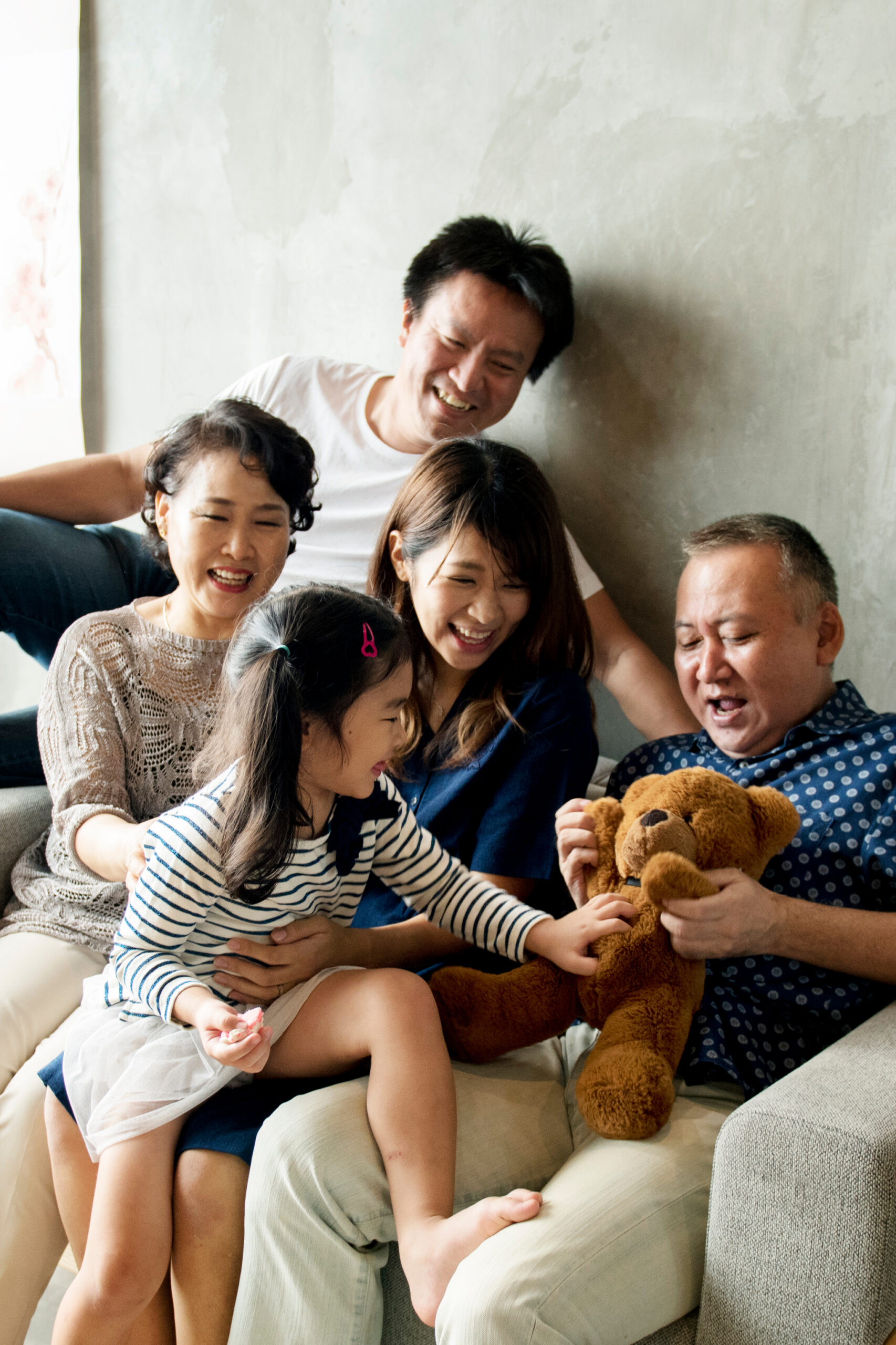
I never grew up in a kampung, but honestly, it sounds like great fun. I have never chased chickens through dirt paths or sat outside chatting with neighbours on plastic stools. Rather, I have only heard stories from my parents and relatives – of children darting in and out of each other’s homes, doors left open and of neighbours calling out your name as you passed by, their voices familiar and full of warmth.
Instead, I grew up in a 12-storey HDB flat with the lift at its heart and flats ordered neatly on both sides like books on a shelf. Life was quieter, more private. We smiled at each other in the lift, exchanged the occasional greeting but mostly kept to ourselves. It was not exactly cold or unfriendly, it is just so that everyone has their own space and their own lives – and for a long time it worked.
Still, I often think about that older kind of community. That kind of neighbourliness feels so far away now, like something from another lifetime and almost unattainable again. Perhaps, somewhere along the line of modern upgrades and globalisation, we have forgotten to hold on to something important: Our kampung spirit.
A recent survey conducted by the Singapore Kindness Movement found that more than four-fifths of respondents experience challenges in interacting with their neighbours. The leading three were:
1) Returning home at different times from the neighbours,
2) Neighbours keeping their front doors closed and
3) Not knowing what to say when encountering neighbours (Zalizan, 2025).
These findings gently remind us how we may have lost touch with the old kampung spirit. Yet, it’s understandable that sometimes it feels easier to keep to oneself and mind one’s own business rather than stop and strike up a conversation. Finding the right words can be difficult, and some encounters may feel uncomfortable.
Nonetheless, over time, every small exchange grows to build trust and connection, something that will never come from isolation. Even small gestures, like a quick greeting, a smile, or just a wave on days when fatigue makes it hard to do more, can build to something warm and welcoming.
Interestingly, a local study found that older adults who took part in regular neighbourhood activities like events, community clubs, or committees on a weekly basis were less likely to feel lonely two years later. Occasional participation, however, had little impact. Rather, it was regular, weekly involvement that made the real difference (Lee, J.M. et al., 2025). Stronger ties with our neighbours and community do not just make us feel more connected. They also gradually improve our mental health and remind us that we are not alone when times get tough.
Now, might it be possible for us to revive the full-fledged kampung spirit of the good old days? Well, likely not in the exact same way. Times have changed and so have we. Nonetheless, I firmly believe it is possible, even if it looks a little different today – which is not necessarily a bad thing. We could call it the new kampung spirit: version 2.0.
In fact, the COVID-19 pandemic revealed glimpses of this spirit. For example, around the time safe distancing began, residents in my HDB block formed a Telegram group where neighbours shared pictures, such as sightings of civet cats at the block, and engaged in light-hearted chats and jokes. Occasionally, some residents also asked if anyone had a screw or other small items to spare, and those appeals were very often quickly settled. Personally, it feels good to be part of something like that, a community, even if it is just online. Perhaps, this is where the spirit is reborn, silently finding its strength once more.
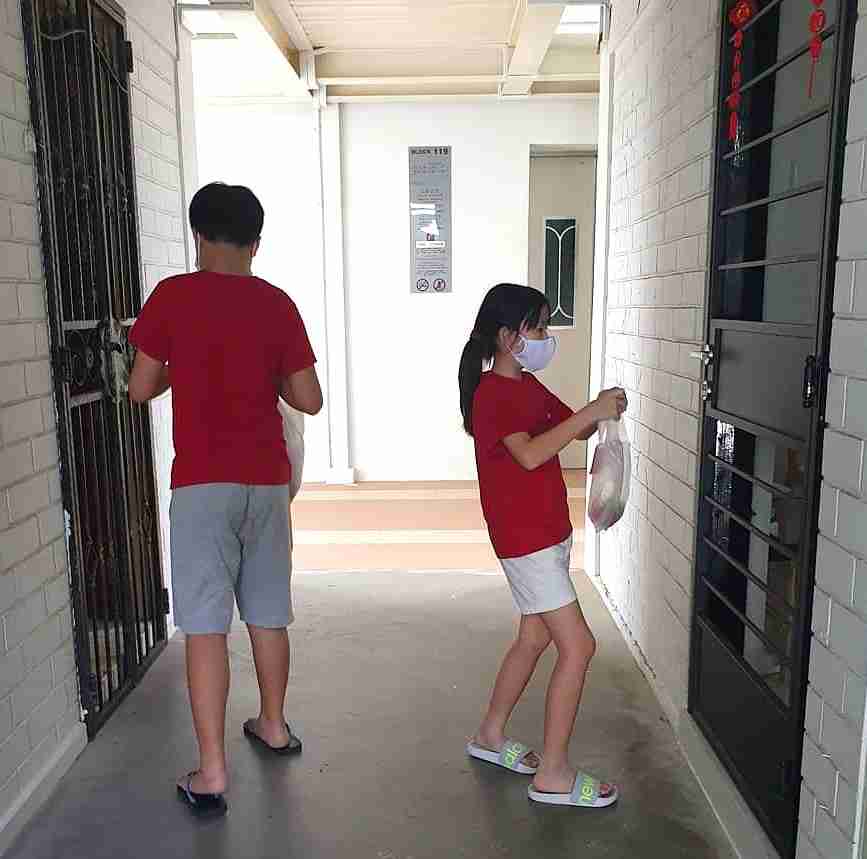
In many other ways, this kindred spirit can be rediscovered in kind, tender moments, like holding the lift door, checking in when something seems amiss (especially on your elderly neighbours) and even offering snacks and food. For the most part, the kampung spirit is about choosing to connect to notice, care and be open to connection. Now, if we can each extend a hand and open ourselves to the people around us, we can nurture this new kampung spirit to grow. Though quieter than before, its impact will be just as meaningful. Our small actions can slowly rebuild the community we once knew. After all, sometimes all we need is a warm and caring place to call home.
Written by: Julia Ong, Intern, Fei Yue Community Services
References
Lee, J. M., Visaria, A., & Chan, A. (2025). Frequent neighborhood participation reduces the probability of loneliness among older adults: A longitudinal study from Singapore. The Journals of Gerontology: Series B, Psychological Sciences and Social Sciences, 80(6), gbaf039. https://doi.org/10.1093/geronb/gbaf039
Zalizan, T. (2025, March 7). Good neighbours: A friendly wave each morning makes for a better day. Channel News Asia. https://www.channelnewsasia.com/today/adulting/good-neighbour-kampung-spirit-4966086