
Say You Love Me Without Saying It (understanding your spouse’s love language)

Feb 2, 2023

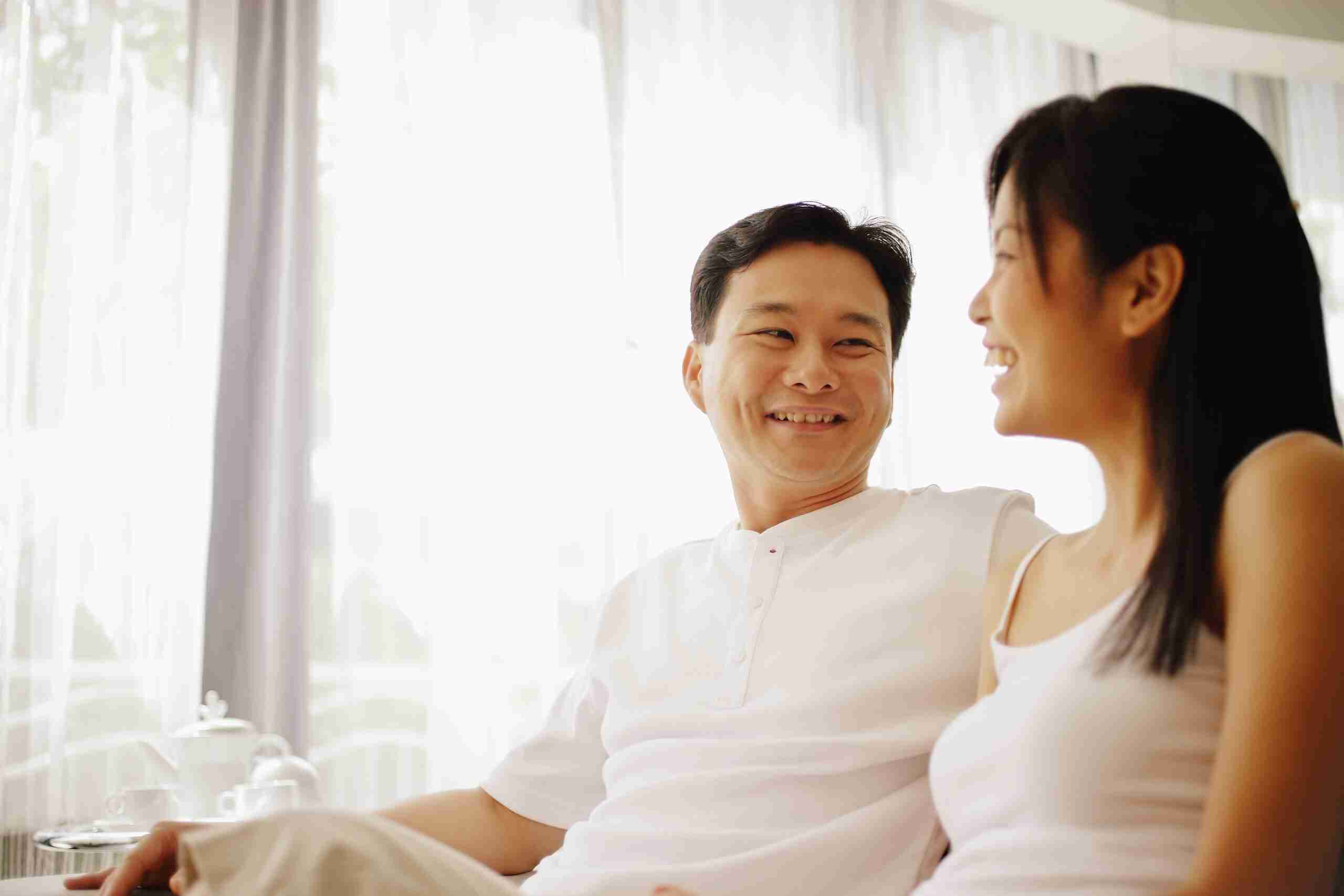
Have you ever been so attuned with your spouse that you can guess the other’s thoughts, feelings, and intentions, without words?  A Chinese saying: “心有灵犀一点通”, conveys this sense of connectedness when one has such a deep understanding of the other as though the two are telepathic.

Words carry the power to build people up and tear people down.  Relationships often begin when we build that connection with our partner through words – by listening to each other, conveying care with eye contact, a body gesture and words of affirmation and encouragement. The ability to communicate with words is just as important after marriage.  Couples who treasure their relationship will continue to invest time talking and listening to each other.  Some set aside time to share the day’s happenings every night after putting the children to sleep.  Others plan date nights to pay attention to each other’s needs without distraction.  Just through their eye contact and body gestures, people around them can sense the powerful connection between couples who are very close, even without them speaking.

What if we are tired of talking after a full day of meetings?  How else can we express love without saying a word?  Gary Chapman suggests there are 5 Love Languages from which we can express our love and care. Here are some examples to show our love not just in words, but in actions.

  • Words of Affirmation – Saying supportive things to your partner.

E.g., You are amazing to have offered your time to babysit your niece and allow your sister some ‘me-time.’

  • Acts of Service – Doing helpful things for your partner.

E.g., Let me wash the dishes after dinner; you take a break on the sofa.

  • Receiving Gifts – Giving your partner gifts that tell them you were thinking about them.

E.g., I bought you these delicious chicken pies from your favourite store.

  • Quality Time – Spending meaningful time with your partner.

E.g., Let’s hang out together and have fun cycling on the weekend!

  • Physical Touch – Being close to and physically touching your partner.
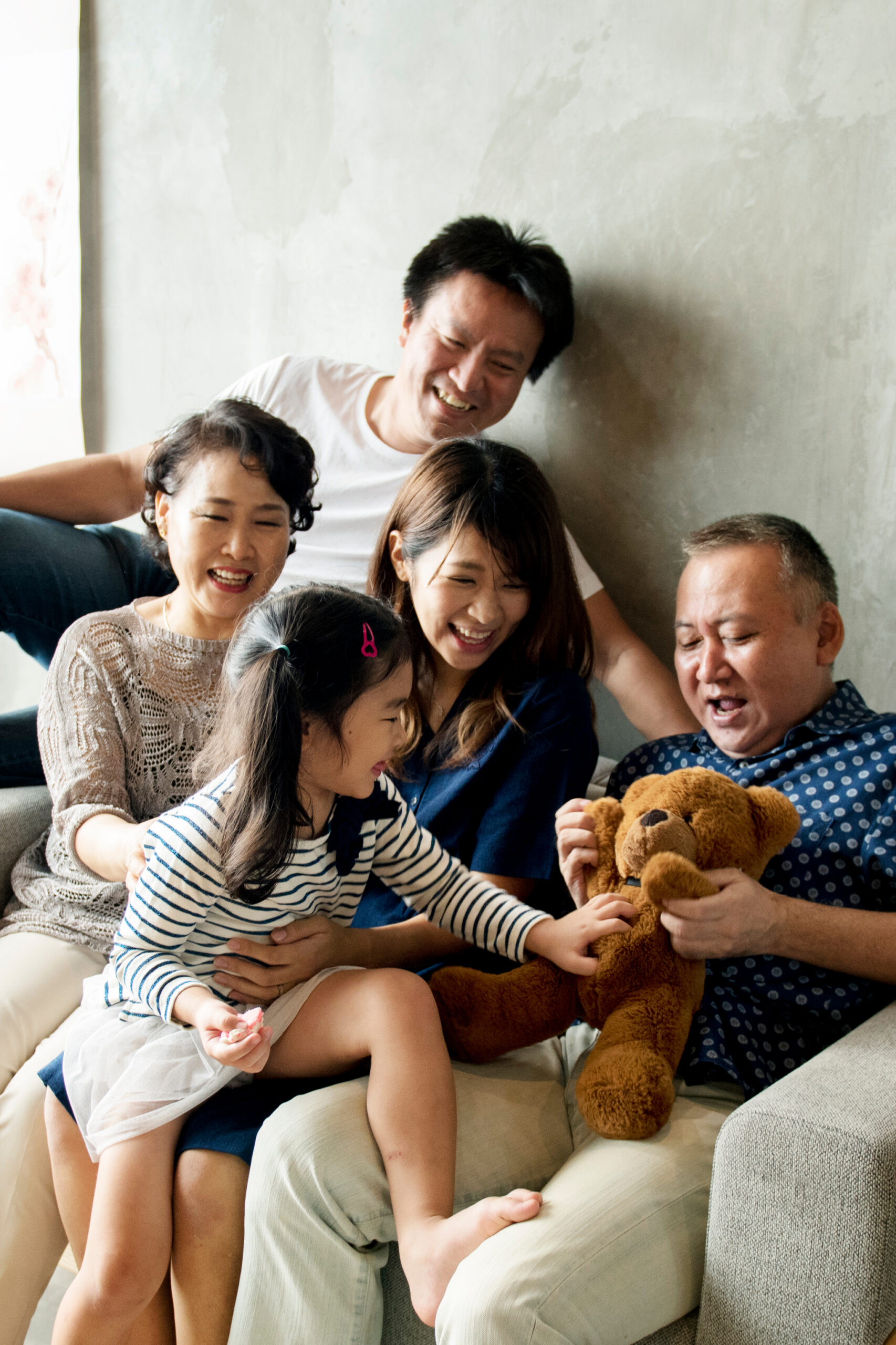
E.g., Let’s snuggle on the sofa while watching Netflix together.

When you learn about your partner’s love languages, you are making deposits into their Emotional Bank Account. Fortunately, there are so many ways you can do it! It is most important to remember that most acts of turning towards each other are small, everyday gestures of appreciation, understanding, affection, and kindness.

Begin today by being attentive to each other’s emotional and practical needs.  They will guide you towards an authentic connection with them daily.  Remember, love is an action word.

Join us for a Marriage Enrichment Programme to rediscover each other and strengthen the core of your relationship. To find out more, visit https://family-central.sg/courses/pe-mep/ or register your interest with us at http://go.fycs.org/MEP

Written By: Isabelle Ng, Marriage Counsellor, and Marie Yeo, Social Worker, Fei Yue Community Services

References

Retrieved 30 Jan 2023 from What Are the 5 Love Languages? Definition and Examples https://www.psychologytoday.com/sg/blog/click-here-happiness/202009/what-are-the-5-love-languages-definition-and-examples

Retrieved 30 Jan 2023 from Invest in Your Relationship: The Emotional Bank Account

https://www.gottman.com/blog/invest-relationship-emotional-bank-account/

Related Articles

Turning Conflict into Connection: Growth Through CALM Conversations

Turning Conflict into Connection: Growth Through CALM Conversations

Why do couples quarrel? Is it simply because of differences in opinions? Character flaws? A lack of emotional ...
Compassion in Action: How Volunteering Builds a More Cohesive Society

Compassion in Action: How Volunteering Builds a More Cohesive Society

“Next time come over again, I’ll cook for you”, the phrase which quietly altered my life moving ...
Parenting Styles and Their Impact on Children’s Development (Ages 0–6)

Parenting Styles and Their Impact on Children’s Development (Ages 0–6)

Why Parenting Matters in Early Childhood Did you know that about 90% of a child’s brain develops by age five? ...
No results found.