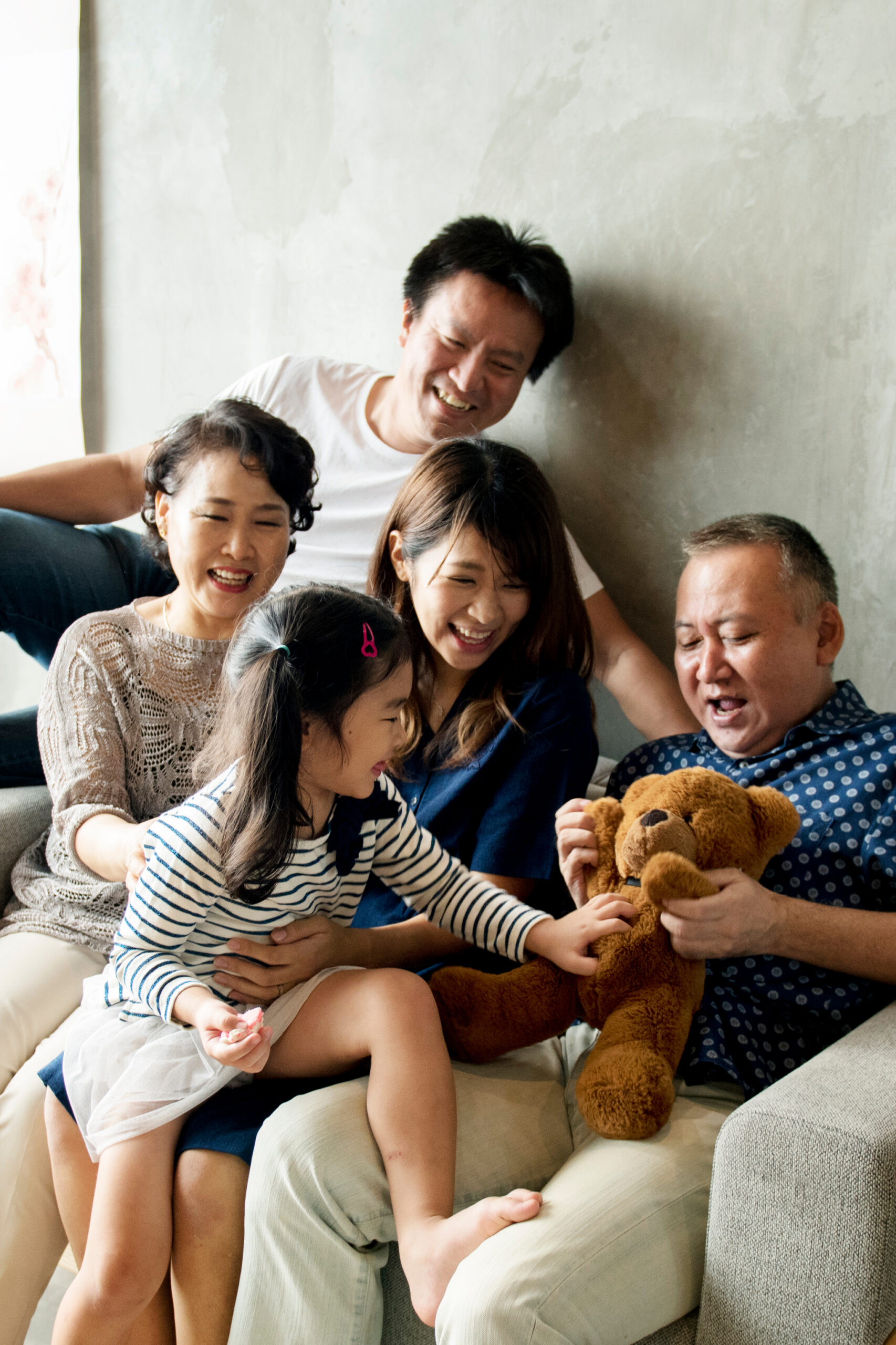

Becoming a single parent after a separation can feel overwhelming. Whether it’s adjusting your routines or learning how to co-parent with your former partner, the changes can be profound. However, it is also a time to find new strengths and establish a healthy, loving environment for you and your children. Here are five simple, supportive tips to help guide you through this transition.
1. Be Kind to Yourself
Adjusting to life as a single parent takes time—in your heart, in your mind, and in your daily routine. It’s easy to be hard on yourself, but patience is key. Give yourself grace as you navigate this new chapter in life.
- Practice patience: The shift in your daily routine and emotions can be exhausting. It’s important to allow yourself time to process the loss and make adjustments.
- Demonstrate resilience: Your children are watching how you cope with this situation. Use this time to show them healthy ways to deal with challenges.
- Self-reflection: Take small steps to evaluate how both you and your children can manage during this transition. What support is needed and who can you call for support. It’s okay to not have all the answers immediately.
2. Prioritise Communication with Your Children
It’s essential to keep open conversations with your kids, but how you approach this conversation matters. What they need most is your love and reassurance, not complicated details .
- Keep it simple: While it’s important to explain the separation, children don’t need to know every detail. Focus on the fact that the divorce isn’t their fault and emphasize your ongoing love and support for them.
- Reassure them: Let them know that you will continue to be there for them, even if things are changing. This helps alleviate feelings of insecurity.
- Encourage sharing: Encourage your children to express their feelings and concerns. Listen with patience so they know it’s okay to open up whenever they need to
3. Focus on What You Can Do
After a divorce, it can feel like everything is out of your hands. But paying attention to the aspects of life you can control will bring back a sense of calm and stability.
- Create routines: Establish predictable routines for yourself and your children—mealtimes, bedtimes, and even weekend activities. This will provide comfort and stability amid change.
- Self-care: Prioritize your well-being, whether through exercise, hobbies, or quiet time. When you take care of yourself, you’re better equipped to care for your children.
- Boundaries: Set clear boundaries with your ex-spouse regarding co-parenting and communication. Setting clear guidelines can reduce stress and misunderstandings.
4. Seek Support
You don’t have to go through this alone. Surround yourself with a support system that can help you navigate the challenges of single parenthood.
- Lean on loved ones: Whether it’s family, friends, or neighbours, don’t be afraid to ask for help when you need it. Sometimes, just having someone to talk to can make a huge difference.
- Support groups: Other single parents understand what you are going through and can provide emotional support. Join our Divorce Support Group, where you can share experiences and advice.
- Professional help: If you find yourself struggling emotionally, consider seeking help from a counsellor or therapist. Professional support can help you process your emotions and develop strategies for coping.
Single parenthood after a separation can feel tough at times, but with patience, open communication, and a strong support system, you and your children can create a new sense of normal. Remember that it’s okay to take things one day at a time and that healing happens at your own pace. Focus on the things you can do and give yourself the kindness and space to grow.
Written by: Trishia Ng, Counsellor, Fei Yue Community Services
Strengthening Families Programme@Family Service Centre (FAM@FSC Fei Yue) supports individuals, couples, and families in various aspects related to family life. These include marriage preparation, marital support, divorce support, and family counselling. For more information, please click here.