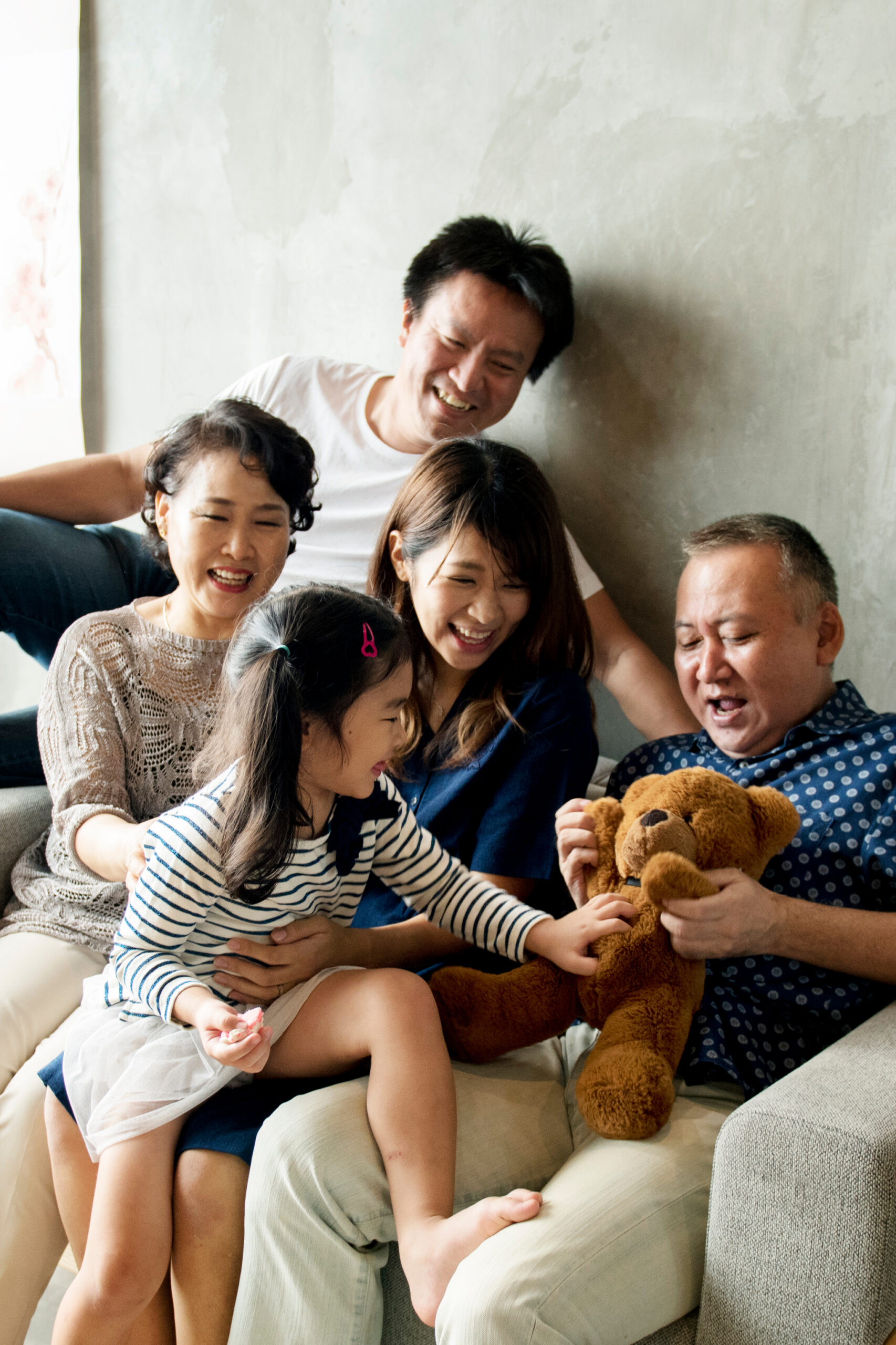

Do you know that a child’s brain has grown to about 90 percent of adult size at the age of 5? During this period, a child’s brain develops rapidly making it a precious window for learning and development. It’s also when they begin developing important cognitive, emotional, physical and social skills. The environment they are exposed to play a crucial role in shaping how they learn and connect with others. Creating an good learning environment is not just about having toys and materials. It’s about cultivating spaces, relationships and everyday moments that support whole-child development.
A Safe and Nurturing Physical and Emotional Space
The foundation of any learning environment for young children starts with safety and emotional security. They need to feel safe and secure first to start exploring and engage. This means childproofed spaces, free of sharp objects and choking hazards, age-appropriate furniture and soft surfaces.
Emotional safety is just as important. Consistent caregivers who are warm, responsive and attuned to the child’s needs, foster trust and a sense of belonging. [1] Studies show that warm and respectful interactions help children develop self-esteem and confidence in their ability to learn (Pianta, 2007). Children also benefit from consistent routines and caregivers who help them name and manage their emotions.
Use positive language and gentle guidance to build trust and self-confidence. For example, instead of using “Don’t run”, try using “let’s walk.” A nurturing adult who models empathy, kindness and curiosity begin to learn lifelong social and emotional skills.
Stimulating and Accessible Materials
Children are natural explorers. Providing a variety of open-ended materials such as building blocks, sensory toys and art supplies encourages creativity, critical thinking and enhance motor skills. Toys and materials should be within reach to promote independence and choice-making.
A learning environment should encourage a variety of play types, including sensory play (e.g. sand or water play), role play (e.g. dramatic play areas), and construction play (e.g. building with blocks). These activities foster problem-solving skills, creativity, and teamwork among peers.
Language-Rich Interactions and the Power of “Serve and Return”
[2] One of the best ways to support early brain development is through “serve and return” interactions. Much like a game of tennis, when a child makes a sound, gesture, or expression (the “serve”), a responsive adult notices and responds in a warm, encouraging way (the “return”). These back-and-forth moments help build strong brain connections and support language, emotional, and social development. In practice, this means talking to babies even before they can speak, responding to toddlers’ gestures with words, and having conversations with preschoolers that go beyond simple instructions. Reading aloud daily, singing songs, and narrating everyday routines are great ways to create a language-rich environment. For example, during snack time, a caregiver might say, “Oh, you are holding a banana! Banana is yellow and sweet. Let’s peel it together.” These moments may seem small but are incredibly powerful for building vocabulary and connection.
Parental and Community Involvement
Children thrive when their learning is supported both at home and in the community. A strong learning environment extends beyond the classroom. Children thrive when families are engaged in their learning journey. Family involvement in early childhood education has been shown to improve children’s social and academic outcomes (Henderson & Mapp, 2002). Simple actions like reading a bedtime story and cooking together can become powerful learning experiences.
Community connections such as visit to the library, nature walks, or local performances expand a child’s understanding of the world around them. These experiences open their eyes to the world and build vocabulary and confidence.
A high-quality learning environment for children aged 0-6 does not require expensive toys or elaborate set-up. What they need most is your presence, your love, and meaningful interactions. When children are given a safe, engaging and loving environment filled with opportunities to explore, play and connection, they don’t just learn -they flourish. Let’s build these foundations with heart, knowing that every small moment matters.
Join our Purposeful Play programme to learn simple and practical parenting skills through fun and play with your child! Register your interest at https://go.fycs.org/PP or email us at [email protected] or call 88694006.
Written by: Sandy Zhuo, Social Worker, Fei Yue Community Services
References
Pianta, R. C. (2007). Teacher-child interactions and student outcomes: Implications for policy and practice. Educational Leadership, 65(4), 26-30.
Henderson, A. T., & Mapp, K. L. (2002). A new wave of evidence: The impact of school, family, and community connections on student achievement. Southwest Educational Development Laboratory.
easier to understand
soften tone