In Singapore’s fast-paced and high-pressure environment, mental wellness can easily take a backseat to deadlines, exams, and personal goals. Yet, amid the hustle, we often overlook a simple but powerful truth: community means care. Whether it’s through shared laughter in a dance class, heartfelt conversations in a support group, or bonding moments across generations, community activities offer more than just fun. They nurture connection, purpose, and joy, facilitating a healthy and resilient mind.
#1 Fostering Social Support and Connections
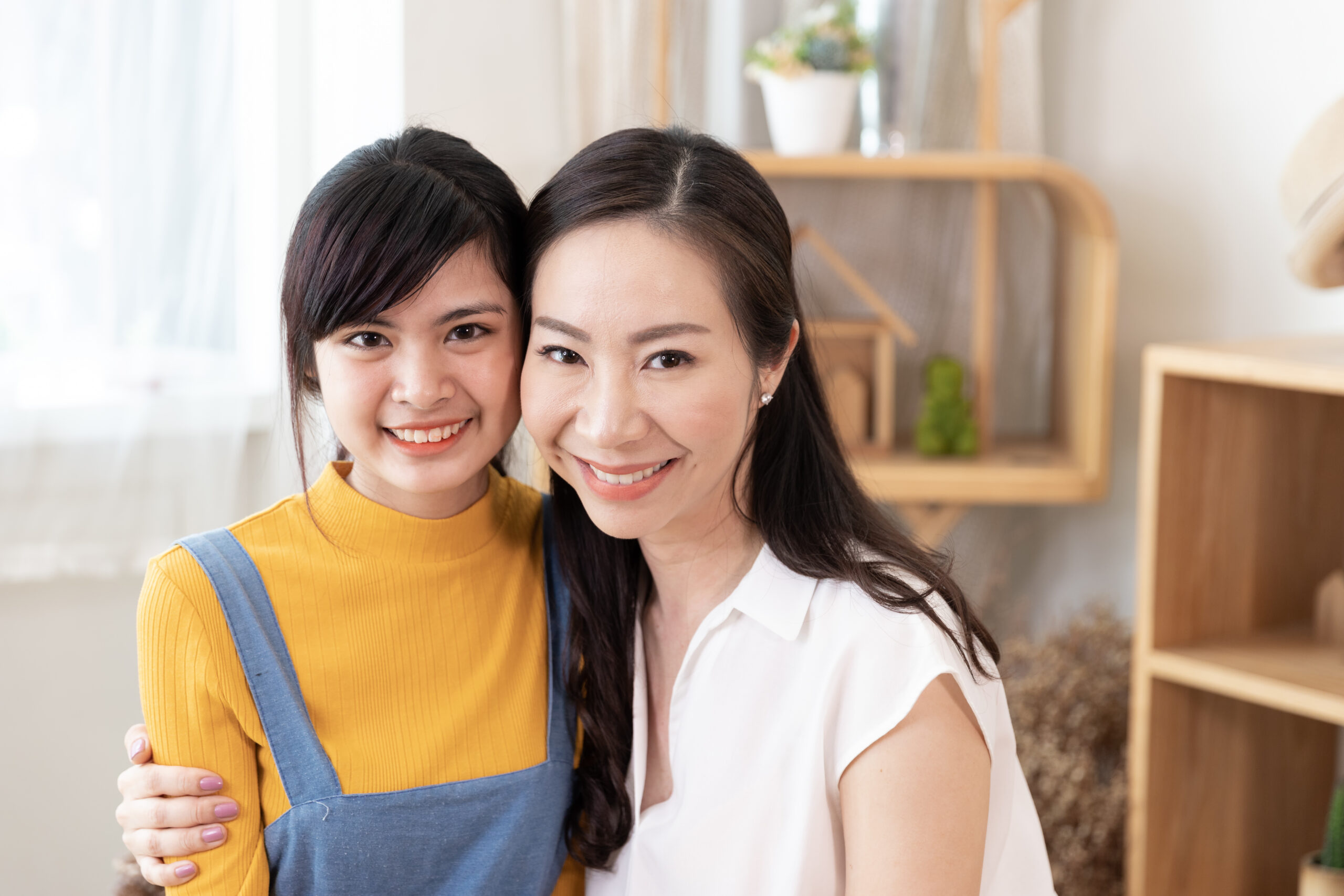
One of the most rewarding aspects of community programmes is the sense of belonging they create, which helps reduce loneliness—a common risk factor for mental health challenges, especially among seniors and caregivers. By bringing people together regularly, these programmes provide not just social interaction but also meaningful connections with others in a safe space.
For example, Fei Yue’s Active Ageing Centres (AACs) organise group exercises, festive celebrations, and befriending activities that help seniors rediscover companionship and joy after life’s ups and downs. These community events have helped elders, especially those living alone to form bonds that ease loneliness and foster belonging.
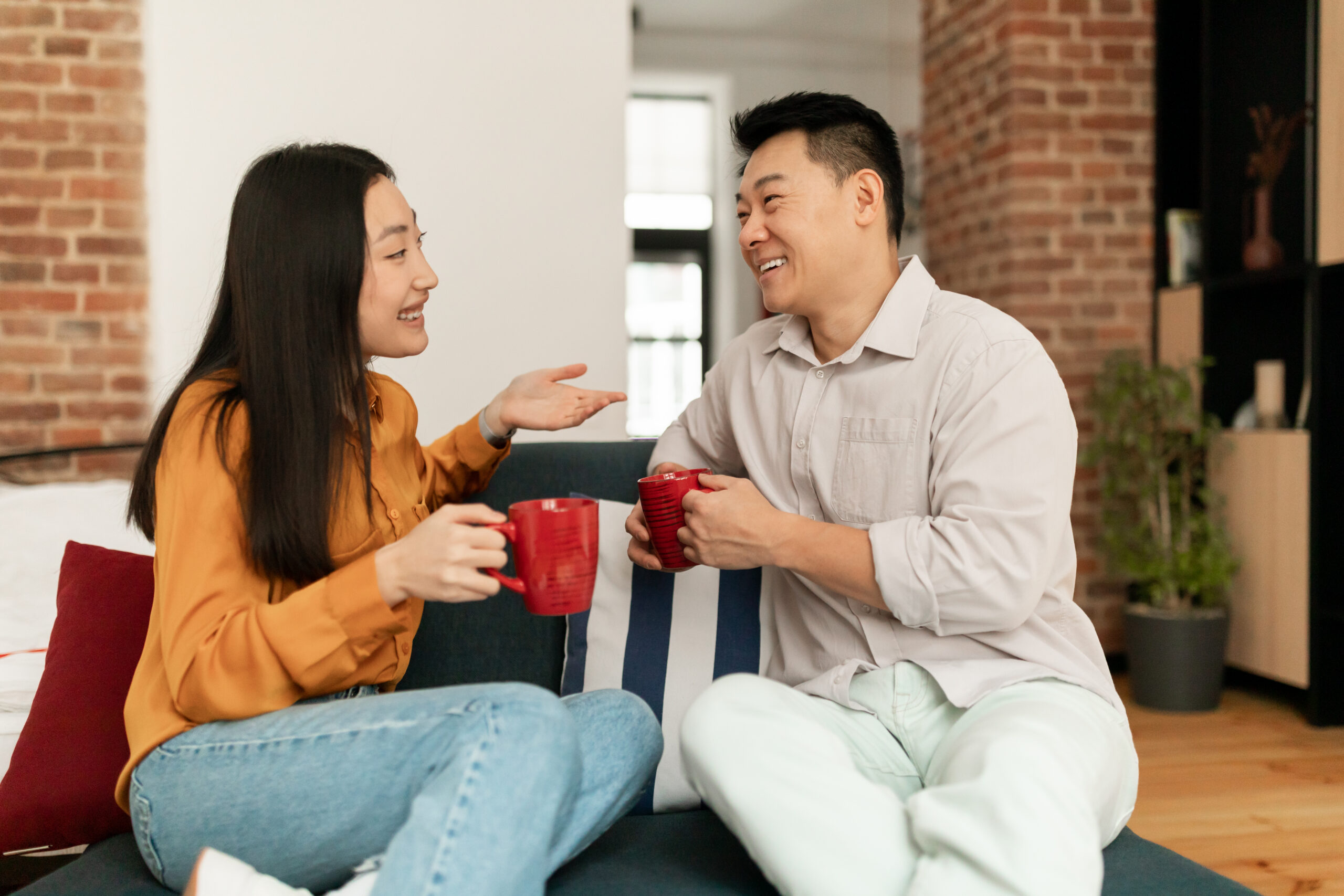
Community support also shines when community groups unite people facing common challenges. COMIT Club HEAL’s caregiver support groups offer emotional comfort and opportunities for social interactions alongside practical caregiving skills. As one caregiver, Mdm Hadijah shared, “Through their caregiver support groups, I found emotional support and picked up caregiving skills that have helped me immensely…helped to reduce the stress and burden I felt.” (AIC Mental Health Stories)
Fei Yue Families for Life @ Community offers complimentary marriage mentoring to couples who have completed the 12-hour group programme. Many mentee couples reported increased marital satisfaction following the sessions, which helped reassure them that their struggles are not unique. They also shared that the mentoring provided them with “parental figures or trustworthy guides” to support their journey. Encouragingly, over 70% of both mentee and mentor couples expressed their intention to continue meeting beyond the planned sessions—highlighting the value of community resources in fostering marital resilience.
#2 Physical Activity and Mental Health
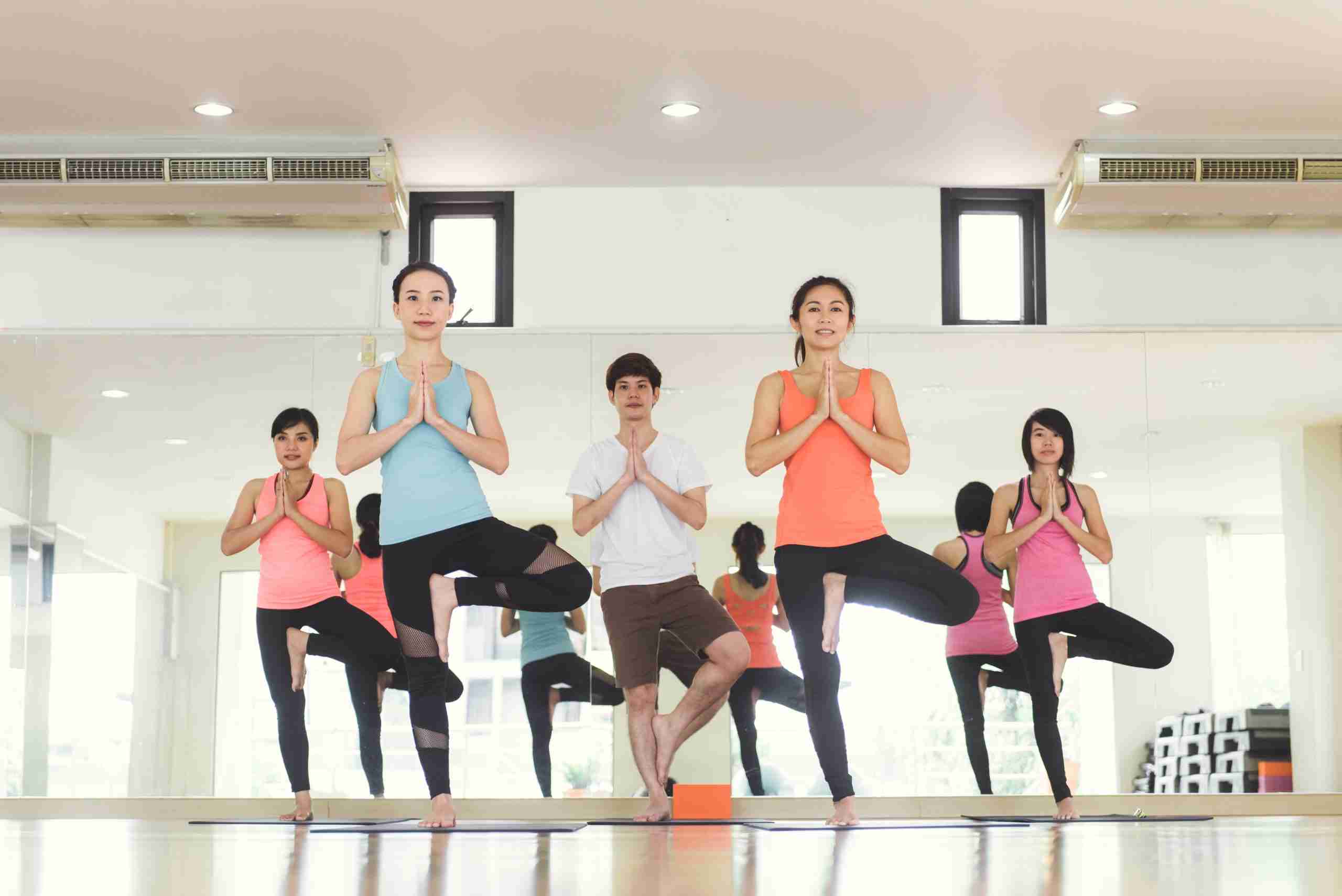
Physical health and mental health well-being go hand in hand. Many community programmes encourage physical movement through group activities like dance, walking clubs, or fitness classes, which release mood-boosting endorphins.
For example, Healthy 365 offers free health events and exercise sessions. Personally, I used to regularly attend a Tuesday night dance workout with a friend. It was a fun way to stay fit, bond, and connect with others, including some lovely aunties who were regulars and happily taught us the right moves. Those sessions always left me smiling—a perfect example of how exercise paired with social interaction improves mood and reduces stress. And the cherry on top? Getting all these health benefits for free!
#3 Bridging Generation and Emotional Well-being
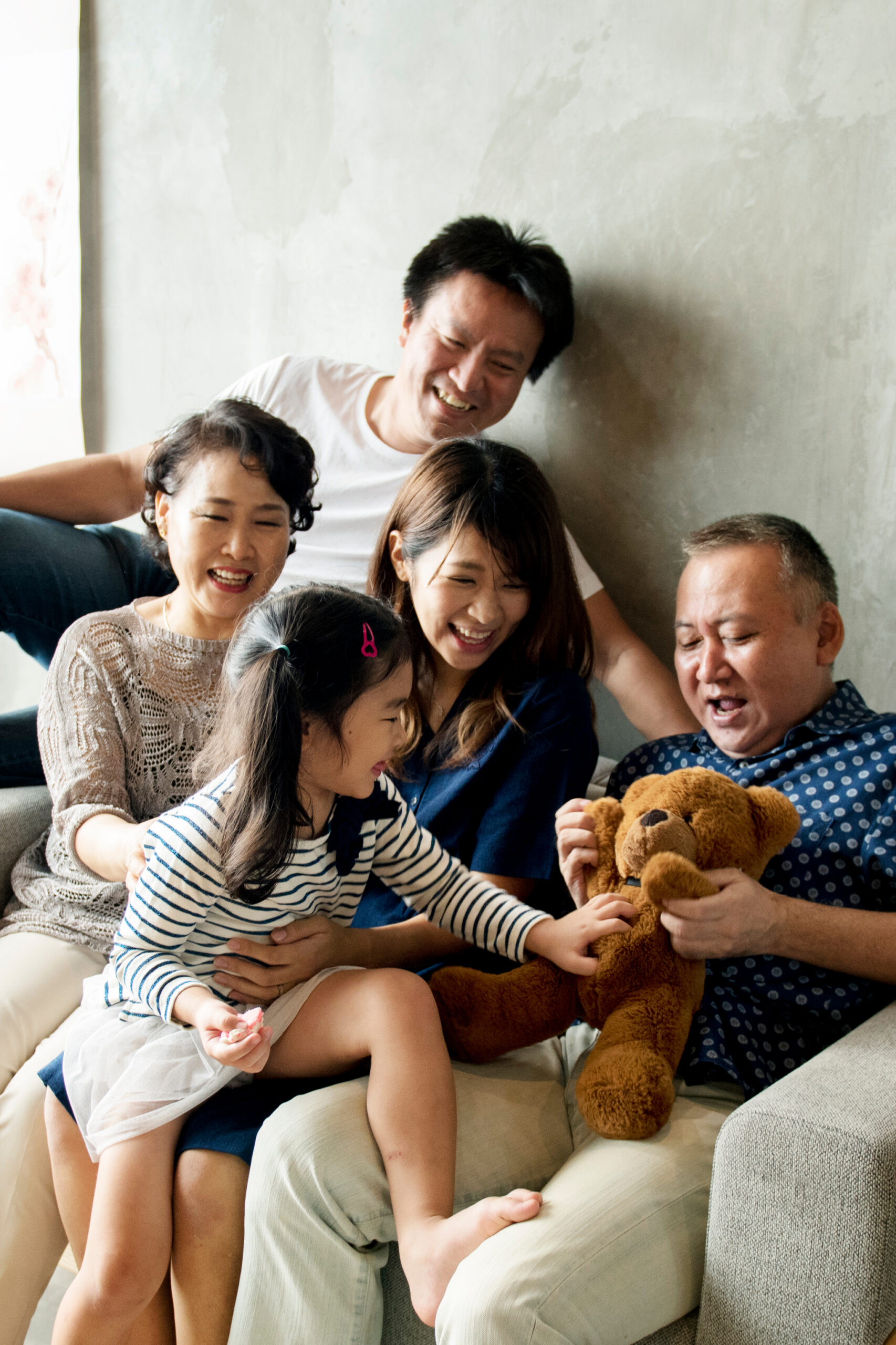
Intergenerational community activities bring people of all ages together, creating opportunities for empathy, understanding, and meaningful connections across generations.
Such connections strengthen family ties and community cohesion, enhancing emotional well-being.
At Fei Yue’s Family Central, programmes like the Love in Action Day at Gardens by the Bay encourage families to explore how they express love and appreciation while learning about the five love languages. These experiences help participants communicate better, deepen relationships, and build emotional resilience.
Beyond family ties, Fei Yue Families for Life @ Community promotes intergenerational learning through its Triple P Parenting programmes, enabling parents and grandparents to learn together and align their approaches to parenting children and grandchildren. Participants shared that this opportunity allowed them to openly discuss and work through differences, fostering collaboration in managing children’s behaviours.
#4 Giving and Receiving Joy
Volunteering in your community is not just good for others, but your mind too! In a study published in 2020 by Lawton et.al., results suggest that people who volunteer, especially monthly or more, report better mental health and life satisfaction than those who don’t. Importantly, even people who weren’t happy to begin with experienced a boost in well-being after they started volunteering. This “warm glow” effect likely comes from helping others, feeling socially connected, and discovering a sense of purpose— three key ingredients for emotional resilience. Whether you’re a youth gaining new skills or a retiree staying engaged, volunteering is a powerful way to support both others and your own self!
Whether you’re dancing with neighbours, lending a hand through volunteering, or connecting across generations, every small act of community adds up to something powerful: better mental well-being for ourselves and those around us. So, take that first step, join an event, say hello, give your time, and let your community be your mental health care.
To find out more about volunteering opportunities and supporting your community, please visit our page at Volunteer – Fei Yue.
Written by: Heidi Hiow, Intern, Fei Yue Community Services
References