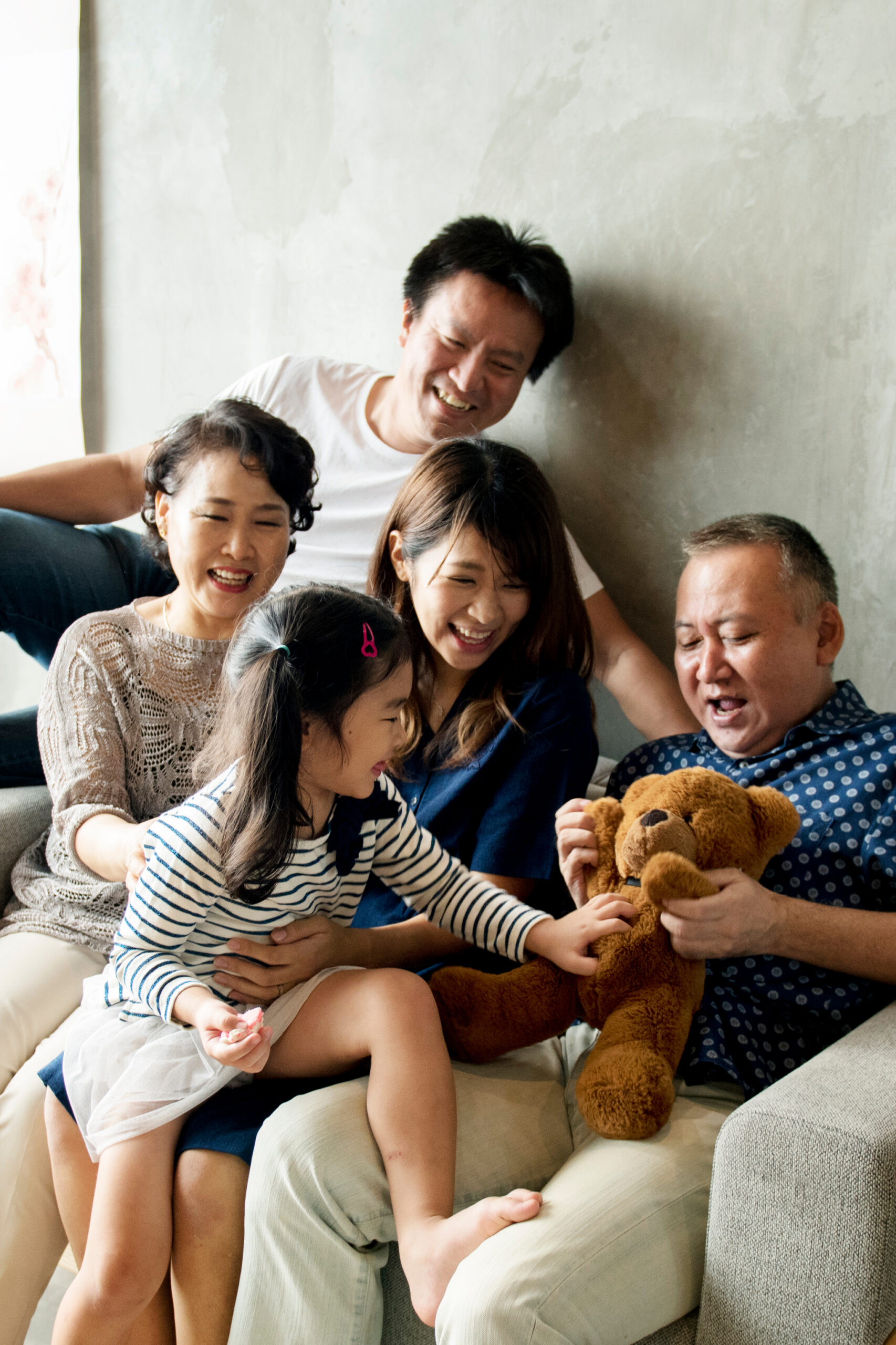
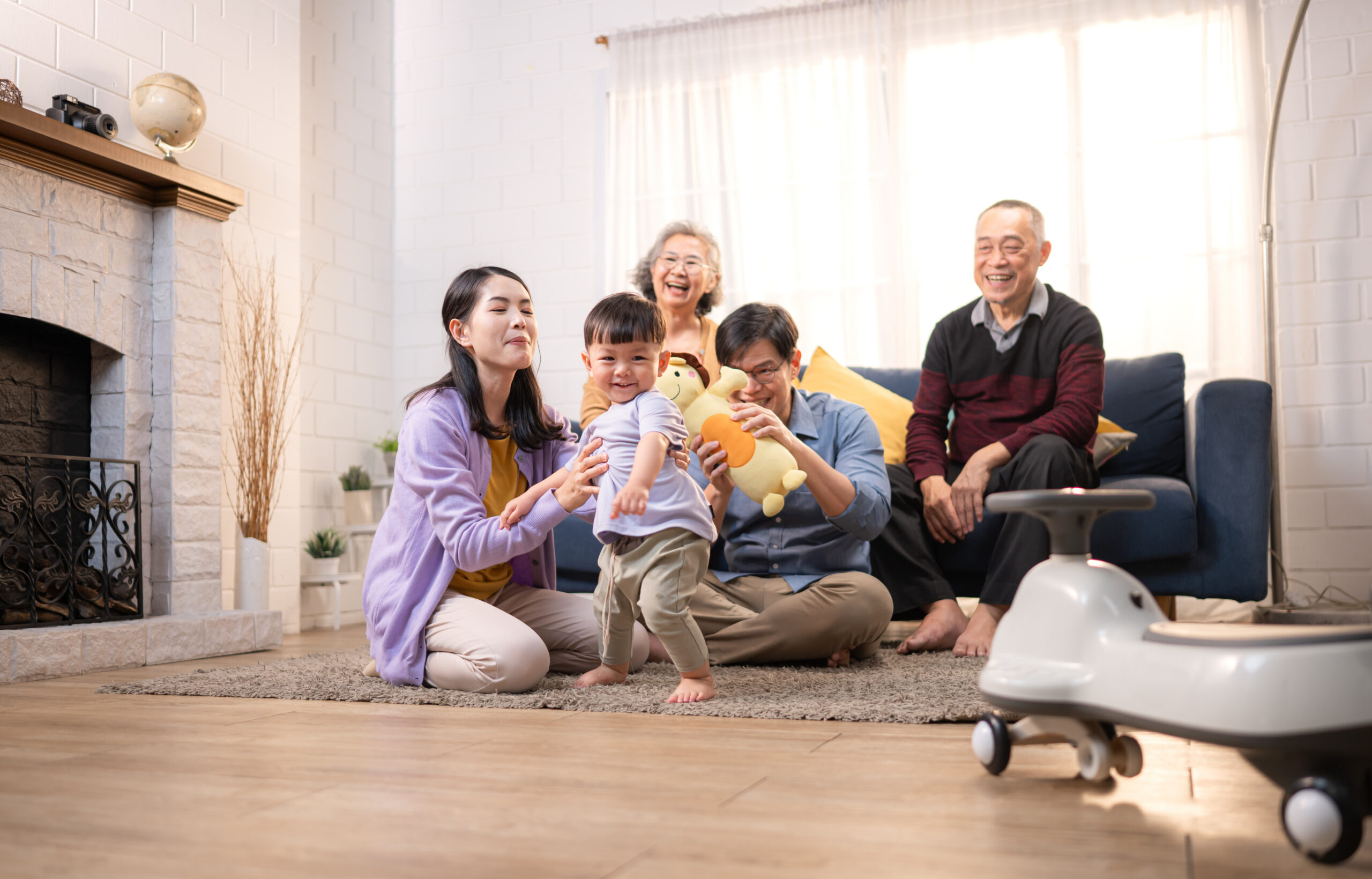
In community work, people often end up specialising — either in early childhood, or in eldercare. Rarely both. I’ve been fortunate enough to spend time at both ends of that journey: running programmes for toddlers who are just beginning to explore the world and sitting with seniors well into their eighties and nineties. Somewhere in between those two jobs, I noticed something I didn’t expect. The very young and the very old are, in a lot of ways, two ends of the same story. Building real connection between them, in a fast-moving modern community like ours, was never meant to be one group’s job alone. It needs all of us, frankly.
They both move slowly through the world, in their own way. They notice almost instantly when someone really looks at them, and they light up in just the same way when given a little genuine attention. Both groups are quietly hoping the rest of us — not just the agencies, not just the volunteers with lanyards — will include them in ordinary daily life. It’s a small ask, and an easy one to say yes to.
That’s really what it all comes down to. Bringing generations closer together was never only a job for community workers and programmes. Every one of us already has a part to play, and honestly, it doesn’t take much. Three things have stuck with me over the years.
1. Notice them
A toddler proudly holding up a drawing and an elderly uncle who’s sat at the same coffee shop table for twenty years want the exact same thing: to be seen, not walked past. The good news is, this doesn’t take any special training. It just takes looking up from whatever you’re doing.
Simple ways to try this:
- Say hi to your elderly neighbour by name,
- Stop and look properly when a child wants to show you something,
- Ask the stallholder how their day’s going, not just what you’re ordering.
2. Let them give, not just receive
It’s easy to assume help only flows one direction — young and able toward old and frail, adult toward child. It isn’t true. The stories and wisdom that seniors share are gifts in themselves. So is a child’s curiosity, in its own annoying-but-charming way. Some of the best moments happen the second we stop treating either group as people who only need help.
Simple ways to try this:
- Ask an elderly neighbour to share an old recipe,
- Ask a senior what they think about something, instead of just offering to help.
3. Come back
A kind gesture once is lovely. A return visit is what actually builds trust — with a child, an elderly neighbour, anyone at all. You don’t need a programme for this. You just need to be the familiar face that turns up again, and again.
Simple ways to try this:
- Visit the same hawker stall often enough that they know your order,
- Check in on the same elderly neighbour every week, even briefly,
- Bring your kids back to see the same senior more than once,
- Wave at the security guard who’s been at your block for years.
It won’t always click straight away, and that’s perfectly normal. Some seniors take a little longer to warm up. Some children stay a bit shy at first. I still get the occasional puzzled look from someone I’ve greeted for two years straight, and I’ve learned not to take it personally. It was never really about a guaranteed result. It’s the showing up that counts, every time.
None of this requires a uniform, a grant, or a job title. It just needs us to trust that we, too, can be the ones doing the noticing, the giving, and the coming back — not only the agencies, or volunteer schemes. If you lead a team or a centre, the invitation doesn’t really change; start with these three things inside whatever you’re already running, instead of waiting on the next big initiative.
There’s an old saying our parents’ generation still lives by — 远亲不如近邻, a close neighbour is worth more than a distant relative. It’s just as true between a six-year-old and an eighty-year-old as it is between two adults. The two ends of the age spectrum aren’t really someone else’s responsibility. They’re simply waiting on the rest of us, the ordinary middle, to close the gap. And here’s the good part: every one of us already has what it takes to begin today.
Written by: Chang Jaw Yeu Henry, Assistant Programme Manager, Fei Yue Community Services