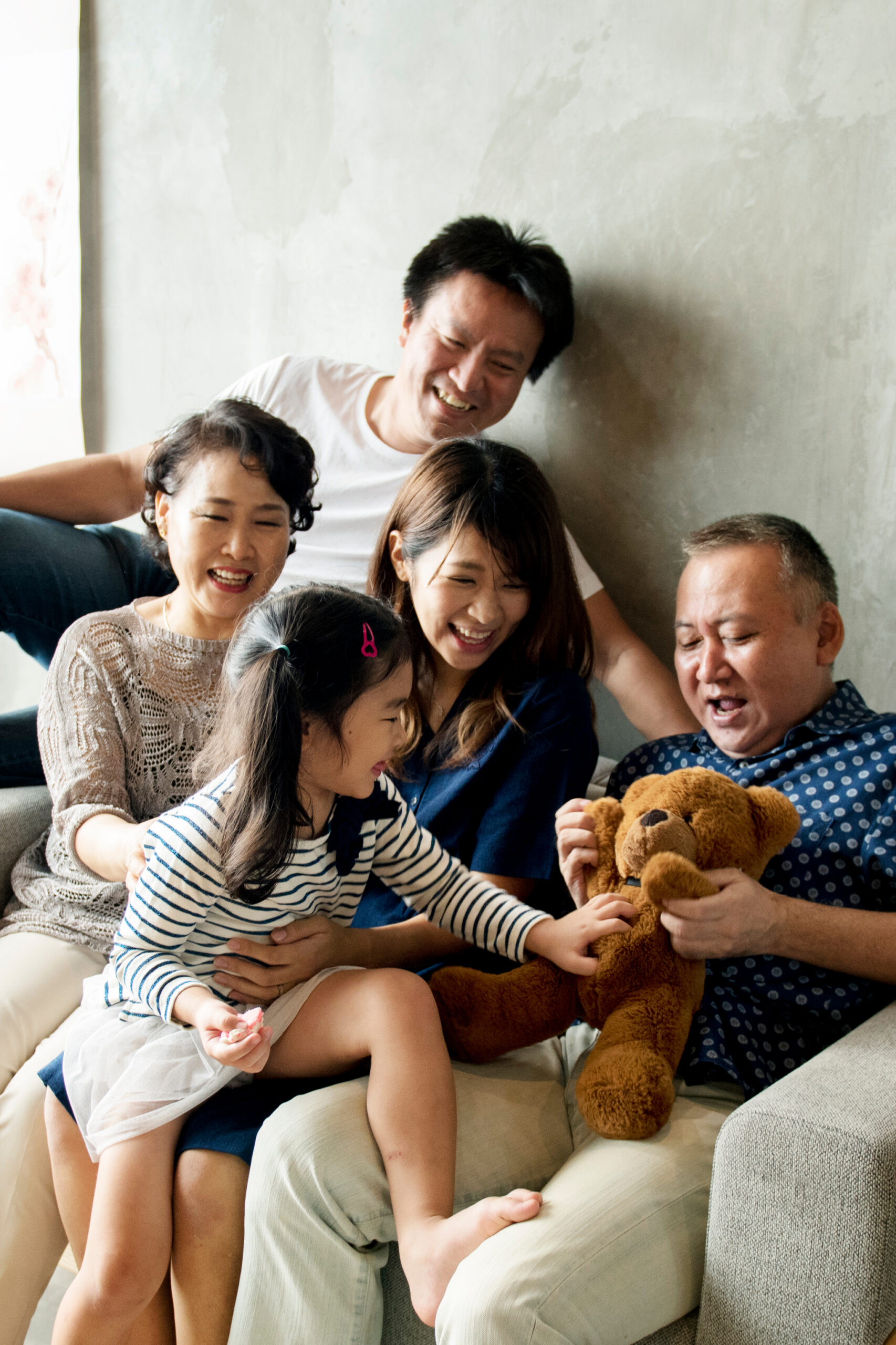

When you think about showing love to your family members, what comes to mind?
Growing up, my father expressed his love for us openly and often with affirmations like “Love you, daughter!” or “Proud of you, son!”. I feel extremely fortunate that these words were commonplace in our home, with parents who are comfortable expressing affirmation and affection openly.
As I get older, I realise that what makes my father’s love most convincing is not just the words he says but the things he does for all of us. Despite being “semi-retired”, he wakes up early to drive everyone to work and school, even when he is tired or sick. He quietly does the laundry for everyone while joking that “it never ends – just like the winter in Aberdeen”, where he studied. He always makes sure that there is something on the table for us to eat, even if they are snacks, we are trying to cut down on – he buys them anyway because he knows we enjoy them. These may not be particularly grand or dramatic gestures, but I have come to appreciate how steady, intentional, and consistent they are.
His words told me that I was loved, but his actions helped me to feel it, day after day. While my father expresses love in both words and actions, not everyone does so in the same way. This raises an important question: How do we recognise and understand the different ways love is expressed within our families?
Understanding Love in Different Languages
One way to make sense of these different expressions is through the idea of the five love languages: words of affirmation, acts of service, receiving gifts, quality time, and physical touch (Chapman, 2010). Many of us naturally lean towards one or two ways of expressing love.
Words of Affirmation
For people whose primary love language is words of affirmation, encouragement and praise is key. Something as simple as complimenting their cooking, praising their effort on a difficult exam even if they didn’t do well, or wishing them a good day ahead can go a long way in helping them to feel loved.
Tips for Parents: Using Praise and Encouragement
- Look for little changes and small wins and praise your child for their effort on a task, not the outcome.
- Provide specific feedback on what your child has done well and why it was a good and nice thing to do.
- Keep it in the moment – focus on encouraging your child in what they are doing well currently.
- Say more positive than negative things – Try to praise your child six times for every one time you say something negative (Families for Life, 2026). For example, praising a child who has done a nice piece of artwork could sound like, “That is really nice work! I can see you put a lot of effort into that. I like the way you experimented with the colours.” (Stephenson-Chin, 2017).
Acts of Service
Acts of service don’t need to be extravagant to show love for your family members. Showing love through acts of service can be as simple as taking the initiative to make a cup of coffee for your parents or offering to help with chores without being asked.
For parents, cooking or ordering your child’s favourite dishes, sending or picking them up from school, comforting your child when they are distressed, are seemingly small but important ways to show love that can leave a deep imprint on their sense of self and how they view the world.
Receiving Gifts
For some, gifts serve as a tangible reminder of your love and appreciation of them. The meaning often lies not in the monetary value of the gift itself, but the thoughtful intention and effort behind it.
For parents, this can be as simple as remembering your child’s favourite snack, or something they mentioned wanting for their birthday.
Quality Time
In our fast-paced and highly connected world, it is often too easy to be physically present but mentally absent. One of the most meaningful gifts we can offer to our family members is our undivided attention and presence.
Being present can look like:
- Putting our phones away and switching off the TV before family meals
- Making eye contact with the person speaking to you
- Listening fully without interruption
- Sitting in silence with your loved ones after they share something difficult
Physical Touch
Communicating our affection through simple actions like holding hands, offering a hug, or a pat on the back can provide immense comfort and reassurance for someone whose primary love language is physical touch. Even small gestures can make a big difference, especially for younger children who seek comfort through touch.
Recognising these differences helps us appreciate that love may not be absent but simply expressed in a language we are less attuned to. Ultimately, showing love beyond words is about being intentional in what we say and how we show up for one another. When we begin to recognise the different “languages” of love within our families, we become better able to both give and receive love in meaningful ways.
Reflection Questions:
What are the primary love languages of each member in your family? (You may explore this together using a simple online quiz: https://5lovelanguages.com/quizzes/)
In what small, practical ways can you show love this week in a way your loved ones will most understand and appreciate?
Check out our parenting workshops and family bonding programmes at http://family-central.sg/ .
Written by: Jamie Loo, Case Manager, Fei Yue Community Services